NA · 01
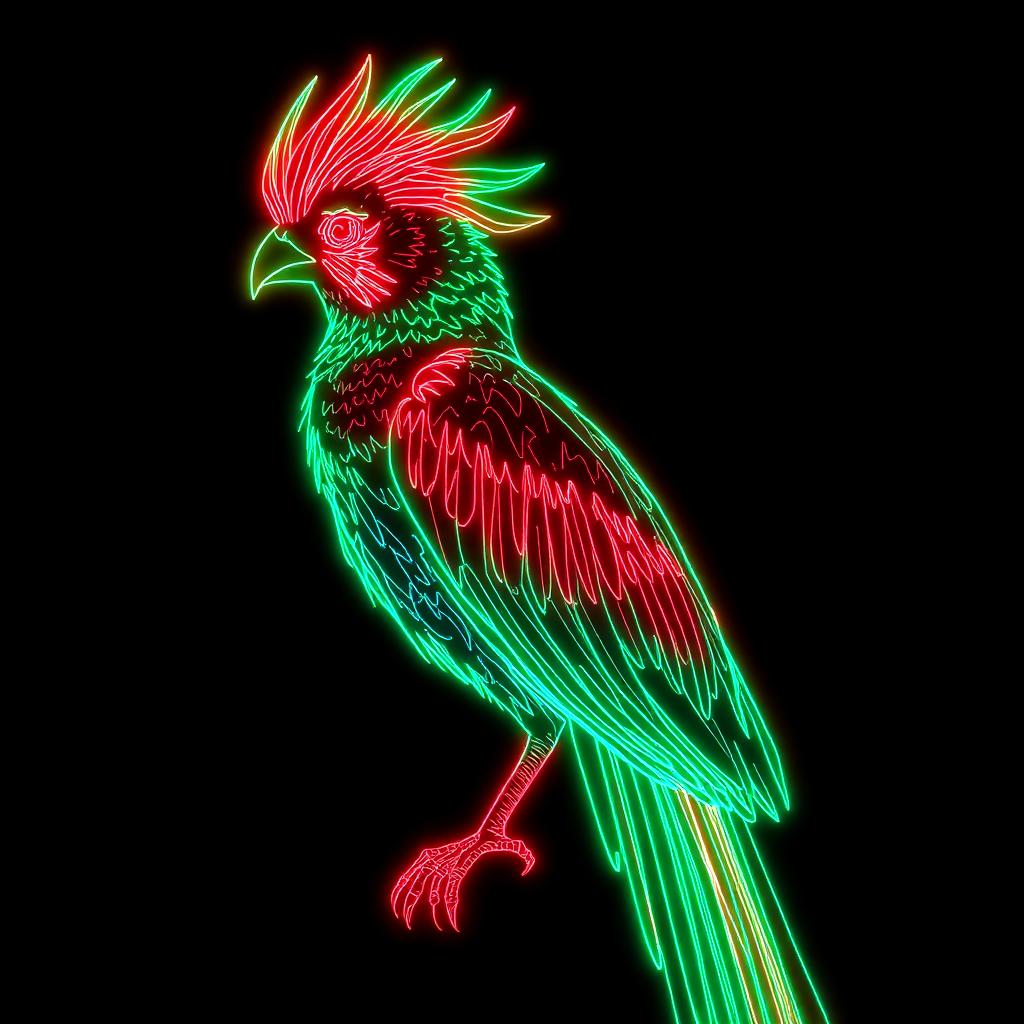
Cardinalis cardinalis
HabitatEastern woodlands, suburbs & gardens
Clear rising whistles held year-round to defend territory.
Fifty birds with browser-made calls — and a mic that finds the closest match among them.
This is not trained species identification. Your recording is compared against 50 browser-synthesized impressions by pitch, rhythm and texture, and the closest of those is shown. Audio stays on your device. For real field ID, use Cornell’s Merlin Bird ID.
Auto-level is off — the hologram tracks raw loudness with your fixed intensity and bloom.
Each profile keeps its own per-bird mic sensitivity, smoothing and thresholds — switching profiles switches those too. Profiles remember intensity, bloom, lite/reduced motion, flare threshold, smoothing and auto-level together — save one per room, headset or outdoor spot and switch in a tap.
The hologram stays flat until the call passes 8% of full loudness, then flares up to 100% intensity with 100% bloom, averaged over a 140ms window (attack ≈56ms). Mic gate 2% · meter response 150ms.
Calls are synthesized in your browser — impressions, not recordings. The mic feature matches by pitch, rhythm and texture across these 50 birds only; it isn't trained species ID. For real field identification, use Cornell's Merlin Bird ID. Mic audio is analyzed on-device and never leaves your browser.